Connect with us

உலகம்

Trump claims on Iranian concessions trigger questions, rejections in Tehran

Published

on

The political drama culminates with the IRGC announcing that the Strait of Hormuz is once again restricted.

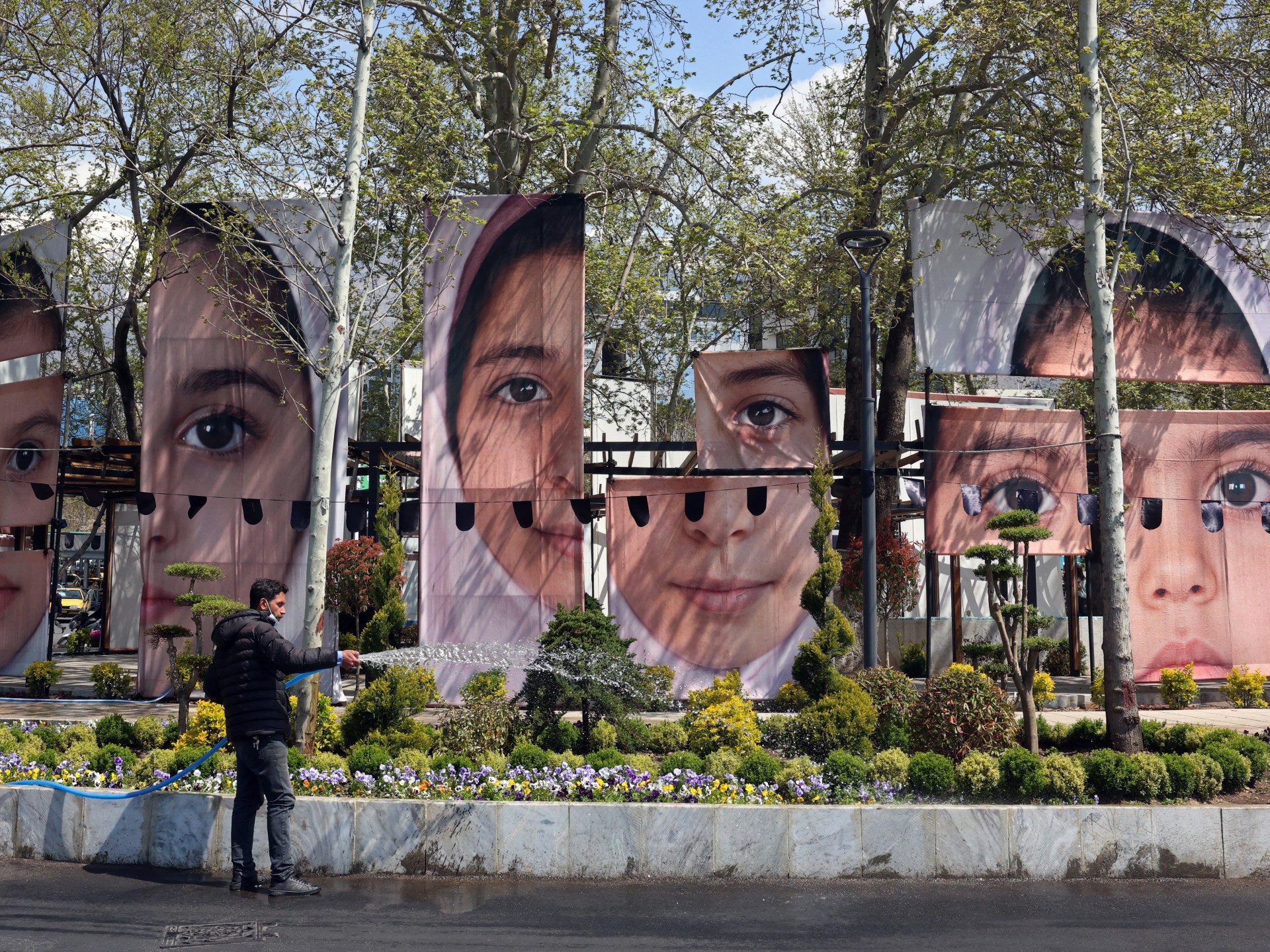
Tehran, Iran – United States President Donald Trump’s announcements about securing major concessions from Tehran have riled supporters of the Iranian establishment, prompting rejections and clarifications from the authorities.

Several current and former senior officials, state media and the Islamic Republic’s hardcore backers expressed anger, frustration, and confusion after the US leader made a series of claims, with days left on a two-week ceasefire reached on April 8.

Trump on Friday said Iran and the US would jointly dig up the enriched uranium buried under the rubble of bombed Iranian nuclear sites, and transfer it to the US. He claimed Iran had agreed to stop enriching uranium on its soil.

He also said the Strait of Hormuz had been opened and would never be closed again, while the US naval blockade of Iran’s ports remained in place, and sea mines were removed or were in the process of being removed.

Trump also emphasised that Iran would not receive billions of dollars of its own frozen assets abroad due to US sanctions, and that the 10-day ceasefire between Israel and Lebanon was completely unrelated to Iran.

Amid Pakistan’s ongoing efforts to mediate another round of negotiations, Iran’s Parliament Speaker Mohammad Bagher Ghalibaf, who led the Iranian delegation to the Islamabad talks earlier this month, rejected all of Trump’s claims.

“With these lies, they did not win the war, and they certainly will not get anywhere in negotiations either,” he posted on X early on Saturday.

By Saturday noon, the Khatam al-Anbiya Central Headquarters of the Islamic Revolutionary Guard Corps (IRGC) released a statement, saying the Strait of Hormuz is once again heavily restricted and under “strict management” of the armed forces. It cited continued “acts of piracy and maritime theft under the so-called label of a blockade” by Washington as the reason.

In the hours it took between Trump’s flurry of announcements on Friday and official responses from Iranian authorities, supporters of the establishment voiced serious concerns about any major concessions.

“Is there no Muslim out there to talk to the people a bit about what is happening?!” Ezzatollah Zarghami, a former state television chief and current member of the Supreme Cyberspace Council that controls the heavily restricted internet in Iran, wrote on X.

Alireza Zakani, the hardline mayor of Tehran, said if any of Trump’s claims are true, then the Iranian establishment must beware “not to gift the vile enemy in negotiations what it failed to achieve in the field”.

A fan account on X for Saeed Jalili, an ultrahardline member of the Supreme National Security Council who has opposed any deals with the US for decades, said “dissent” may be at play. It said Supreme Leader Mojtaba Khamenei, who has not been seen or heard from outside of several written statements attributed to him, must release a voice or video message to confirm what is happening.

Jalili’s main account distanced itself from the comment, saying the fan account – which was subsequently deleted – was a sign of “infiltration” by enemies of Iran who were trying to sow discord.

Iranian state media released another written statement attributed to Khamenei on Saturday to mark Army Day, but made no mention of the political drama unfolding hours earlier, or the negotiations with the US.

The dissonance was clearly on display on state television and other state-linked media on Friday, especially those affiliated with the IRGC.

Multiple state television hosts and analysts harshly attacked Foreign Minister Abbas Araghchi because he tweeted on Friday that the Strait of Hormuz was “declared completely open for the remaining period of ceasefire, on the coordinated route as already announced by Ports and Maritime Organisation”.

One of the hosts demanded Araghchi must immediately clarify. Another said the top diplomat’s tweet was in English, and since the Iranian people do not have access to X due to the state-imposed near-total internet shutdown for seven weeks, the message was not directed at the people.

With a huge Hezbollah flag in the background, a furious presenter on state television’s Channel 3 claimed that Araghchi was somehow “the representative of the people of Lebanon, Yemen and Iraq” because they are a part of Iran’s “axis of resistance” of armed forces, so he should demand concessions on their behalf from Trump.

Morteza Mahmoudvand, a representative for Tehran in the Iranian parliament, went as far as saying Araghchi would have been impeached had it not been for “the excuse of war”.

The Fars and Tasnim news sites, which are affiliated with the IRGC, also heavily criticised Araghchi and called for further explanations on Friday evening, with Fars arguing that “Iranian society was plunged into a haze of confusion.”

Critical comments from supporters of the Iranian government also flooded social media, including local messaging applications and the comments section of state-run sites.

“We took to the streets every night with clear demands, but you shook hands with the killer of our supreme leader and handed our strait to the Zionists,” one user wrote on Friday in the local app Baleh, in reference to Israel.

“After all these years of sanctions and war and costs imposed on the people, if you are to give up the uranium and the strait, then why did you play with the people’s livelihoods and the blood of the martyrs for so long?” another user wrote.

A large number of analysts and media personalities, including Hossein Shariatmadar, the head of the Kayhan newspaper, who was appointed by late Supreme Leader Ayatollah Ali Khamenei, also voiced criticism and demanded answers on Fars and other outlets.

Regardless of whether there will be more mediated negotiations in Pakistan or whether the war will continue, Iran continues to encourage and arm backers to take to the streets to maintain control.

State media on Friday aired footage of more armed convoys moving through the streets of Tehran while waving the flags of Lebanon’s Hezbollah, Iraq’s Hashd al-Shaabi and other groups. The video below shows women and children crewing heavy machineguns mounted on the back of pick-up trucks during a rally in downtown Tehran.

With no end in sight to the state-imposed internet shutdown that has wiped out millions of jobs in Iran, in addition to steel factories and other infrastructure that were destroyed, the Iranian economy continues to suffer.

The timing of the back-and-forth between Trump and the Iranian officials meant that oil prices dropped before Western markets closed on Friday, and the Iranian currency experienced more volatility.

The rial was priced at about 1.46 million against the US dollar on Saturday morning, the first day of the working week in Iran. But it shot back up to about 1.51 million after the IRGC announced the repeated closure of the Strait of Hormuz.

📰 மூல செய்தி (Source): https://www.aljazeera.com/news/2026/4/18/trump-claims-on-iranian-concessions-trigger-questions-rejections-in-tehran?traffic_source=rss

உலகம்

Mazzucato on the Iran war’s economic shock: Who pays the price?

Published

on

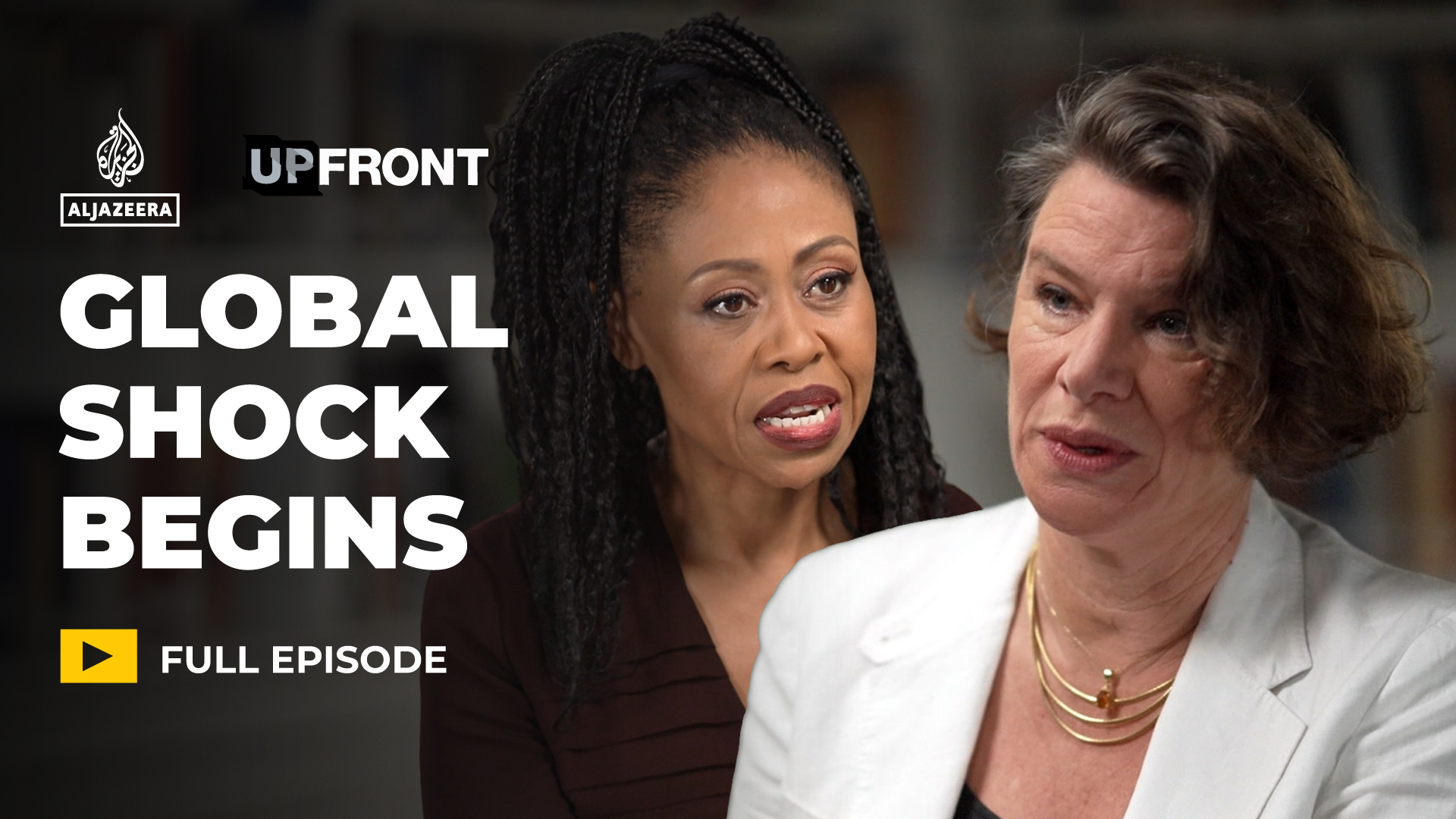
Redi Tlhabi speaks to economist Mariana Mazzucato on the Iran war’s economic fallout and who’s really paying the price.

The world is reckoning with the biggest oil supply disruption in history, one that has sent energy prices soaring, rattled stock markets and exposed the deep vulnerabilities of economies still hooked on fossil fuels. While millions face higher fuel and energy bills, top oil and gas companies are reportedly profiting about $30m per hour since the war began.

This week on UpFront, Redi Tlhabi speaks with renowned economist Mariana Mazzucato about what a genuine green industrial strategy looks like, why the World Bank has fallen short, and how her concept of the “common good economy” offers a new compass for governments navigating crises.

📰 மூல செய்தி (Source): https://www.aljazeera.com/video/upfront/2026/4/18/mazzucato-on-the-iran-wars-economic-shock-who-pays-the-price?traffic_source=rss

Continue Reading

உலகம்

Will Keir Starmer resign?

Published

on

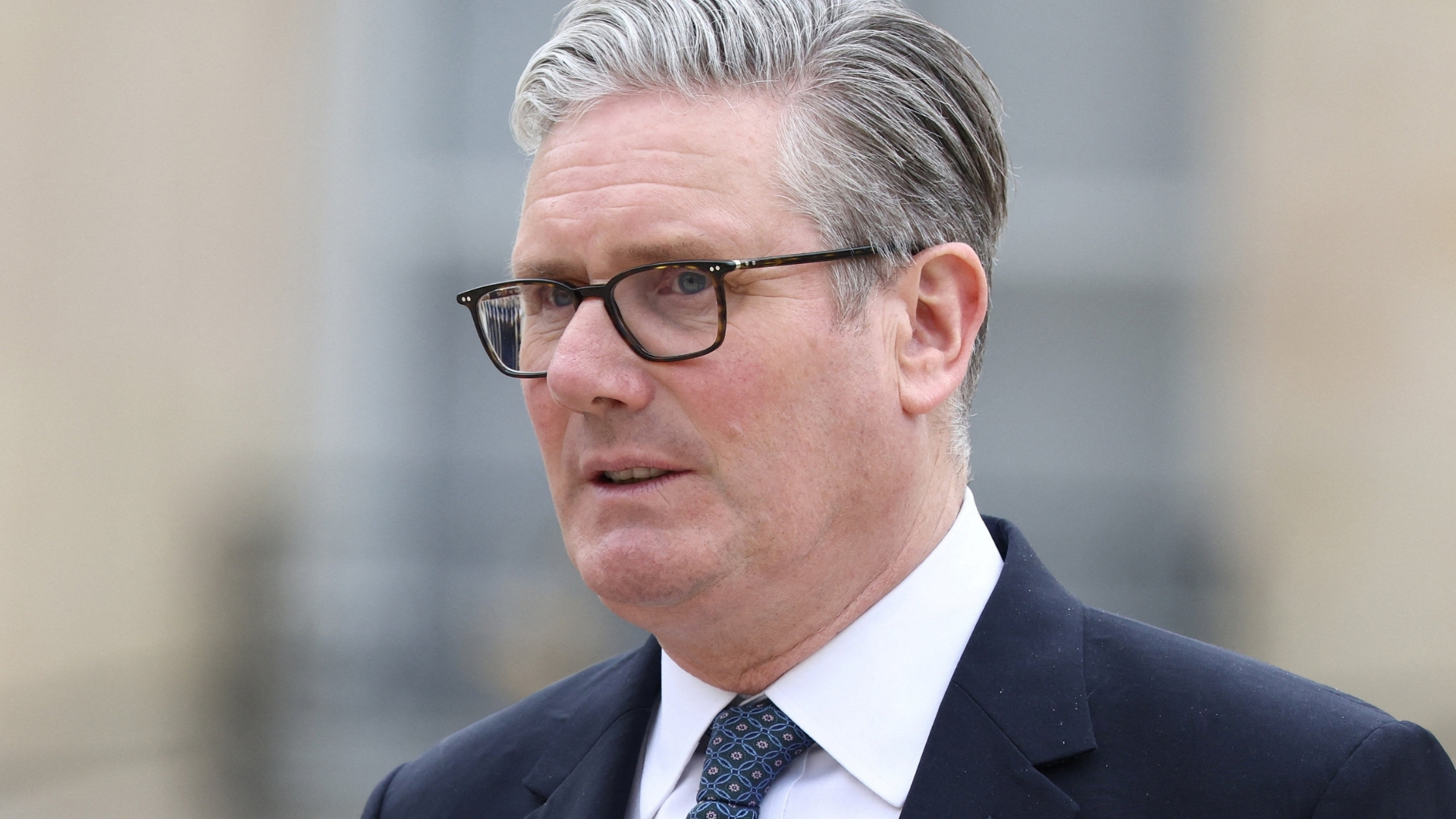
The Mandelson scandal has resurfaced in the United Kingdom, and Prime Minister Keir Starmer is in the line of fire again.

This time, it’s because he appointed Peter Mandelson as ambassador to the United States – even though he failed the government’s security clearance.

Starmer says he did not know. But the opposition isn’t convinced.

As the fallout deepens, the calls for him to step down are growing.

Mandelson’s links to the late sex offender Jeffrey Epstein have cast a shadow over Starmer’s government.

So, will the prime minister survive the crisis?

Denis MacShane – Former UK Foreign Office Minister of State and Labour MP

Jennifer Nadel – Cofounder of the cross-party think tank Compassion in Politics

Giles Kenningham – Founder of Trafalgar Strategy and former communications director for the UK Conservative Party

📰 மூல செய்தி (Source): https://www.aljazeera.com/video/inside-story/2026/4/18/will-keir-starmer-resign?traffic_source=rss

Continue Reading

உலகம்

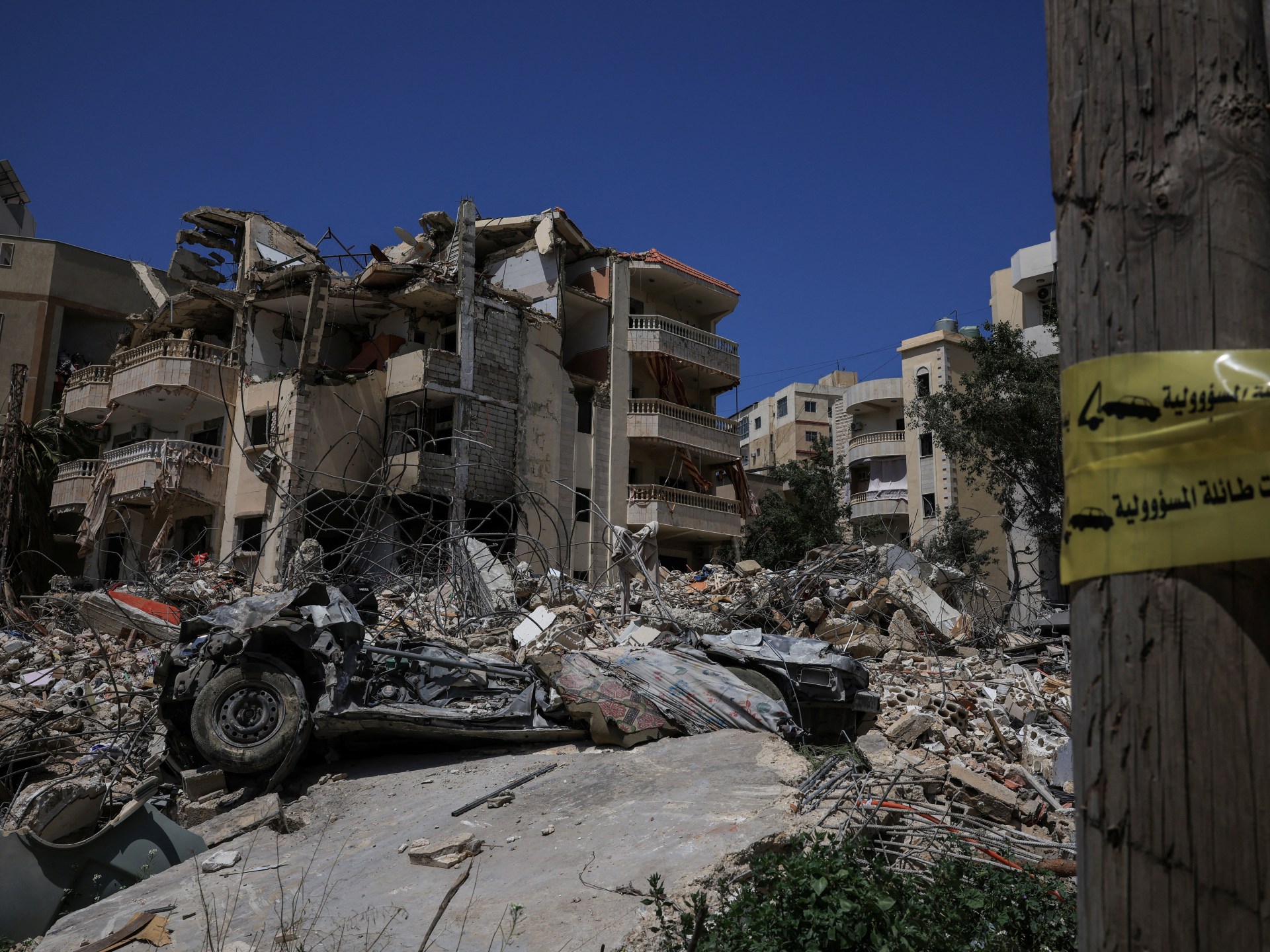
Israel says established a ‘yellow line’ in Lebanon, as it has in Gaza

Published

on

It is the first time Israel has referred to such a ‘yellow line’ in Lebanon, after using a similar measure in Gaza.

Israeli forces say they have established a so-called “yellow line” in southern Lebanon, similar to an Israeli military measure in the besieged Gaza Strip.

The Israeli military said in a statement on Saturday that over the previous 24 hours, its forces “operating south of the Yellow Line in southern Lebanon identified terrorists who violated the ceasefire understandings and approached the forces from north of the Yellow Line in a manner that posed an immediate threat”.

It is the first time the Israeli military has referred to such a “yellow line” in Lebanon, and comes after a 10-day ceasefire between Israel and Lebanon came into effect on Thursday.

Since a “ceasefire” in Gaza took effect in October, Israel’s so-called “yellow line” has divided the Palestinian territory into separate zones, with an eastern area controlled by the Israeli military and a western area where Palestinians face fewer restrictions on their movement.

Israeli troops routinely fire on anyone approaching the line, and they have demolished hundreds of homes in the zone under their control. Israeli attacks have killed at least 773 people and wounded more than 2,000 since the start of the “ceasefire”.

Reporting from Ramallah, in the occupied West Bank, Al Jazeera’s Nour Odeh said the Israeli military’s announcement of a “yellow line” in Lebanon appeared to represent the “continuation of the ‘Gazafication’ of southern Lebanon”.

“Israeli Minister of Defence Israel Katz had said that the army has been instructed to demolish the Lebanese villages on the border based on the Beit Hanoon and Rafah models, and we know exactly what that looks like because there’s nothing left there,” she said.

“In Lebanon, it may not be, at least for now, to expand the area occupied in southern Lebanon. But, certainly, the demolition of Lebanese villages continues, and the minister of defence has also drawn an equivalence between Shia villages and Hezbollah infrastructure in the same way he considered Palestinians in Gaza to represent Hamas and to be an equal threat to Israel,” she added.

Despite the ceasefire, Israel has continued to carry out attacks in southern Lebanon. Israeli artillery attacks on Saturday hit the southern Lebanese towns of Beit Leif, Qantara and Touline, while the military has continued razing homes across several areas.

In a statement, the military said it waged the attacks in response to fighters approaching areas where Israeli soldiers are still stationed in southern Lebanon, claiming they posed “an imminent threat”.

“Actions taken in self-defence and to remove immediate threats are not restricted by the ceasefire,” the military added.

Later on Saturday, Hezbollah Secretary-General Naim Qassem said that the ongoing 10-day truce with Israel cannot continue unless both sides uphold it.

“A ceasefire means a complete cessation of all hostilities. Because we do not trust this enemy, the resistance fighters will remain in the field with their hands on the trigger, and they will respond to violations accordingly,” Qassem said in a statement read out on TV.

“There is no ceasefire from the side of the resistance only; it must be from both sides.”

Qassem also demanded that Israel completely withdraw from Lebanon.

The next steps, Qassem said, would focus on the release of prisoners and the return of residents to their homes in the border areas.

A final step, he said, would involve a significant reconstruction campaign, coupled with international Arab support.

He also added that Hezbollah is “open to cooperation with the [state] in Lebanon on a new page” based on achieving their “national sovereignty and preventing strife”.

Thursday’s ceasefire between Israel and Hezbollah comes after a previous one, which had ostensibly been in effect since November 27, 2024. But the United Nations has counted more than 10,000 Israeli ceasefire violations since then, as well as hundreds of Lebanese deaths.

Israel has repeatedly told the Lebanese government that Hezbollah must be disarmed for any truce to last.

For its part, Hezbollah has said that Israel needs to withdraw from the country’s southern region first as part of the 2024 ceasefire deal agreed between the armed group and Israel.

The Lebanese government has been uneasy about Hezbollah’s influence in the country. Last December, the government said it was close to completing the disarmament of Hezbollah south of the Litani River before a year-end deadline as part of the 2024 ceasefire deal with Israel.

At the start of the latest conflict, the Lebanese government also outlawed Hezbollah’s military wing. But the government has also always been apprehensive of Israel’s actions. Lebanon’s President Joseph Aoun also previously refused to speak directly with Israeli Prime Minister Benjamin Netanyahu about their differences.

On Thursday, while announcing the ceasefire between Lebanon and Israel, US President Donald Trump revealed that Israel’s Prime Minister Netanyahu and Lebanon’s President Aoun could meet ⁠in Washington over ⁠the ⁠next week or two for negotiations on ending the fighting.

📰 மூல செய்தி (Source): https://www.aljazeera.com/news/2026/4/18/israel-says-established-a-yellow-line-in-lebanon-as-it-has-in-gaza?traffic_source=rss

Continue Reading

Trending

Copyright © 2024 by 7Tamil Media, All rights reserved.