Connect with us

உலகம்

UN boosts Lebanon aid appeal as Israeli war drives humanitarian crisis

Published

on

The UN says it needs nearly $640m to help Lebanon over the next six months.

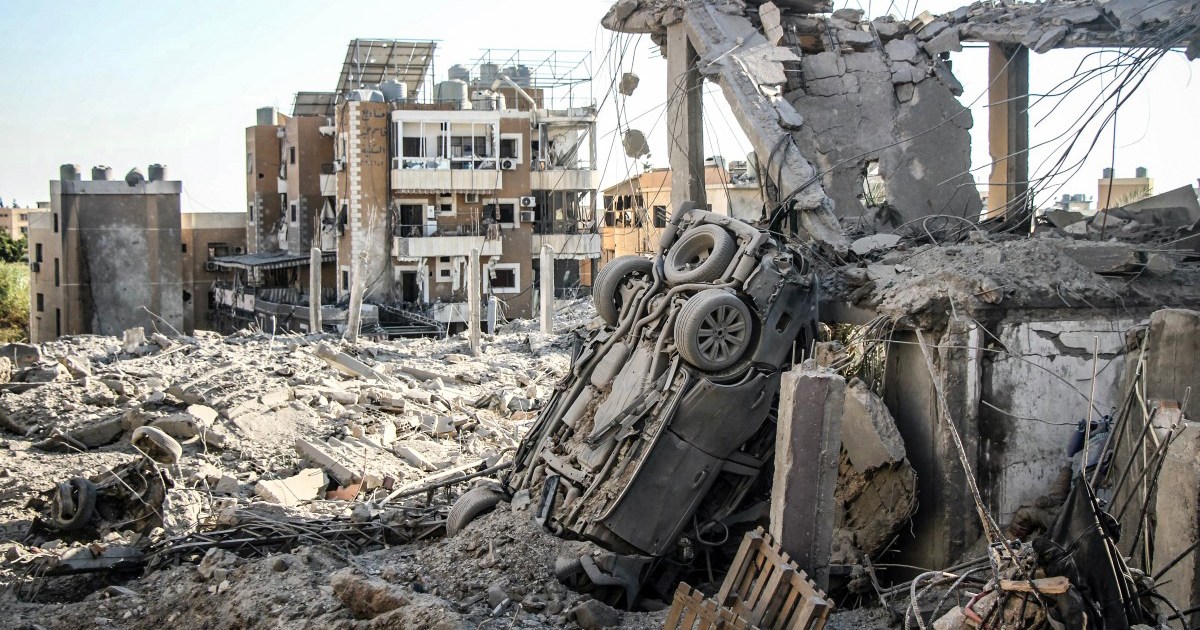
The United Nations has doubled its call for aid to Lebanon as it bids to stem a “severe and deteriorating” humanitarian crisis brought on by four months of war with Israel.

The UN’s humanitarian agency OCHA said on Friday that it needs nearly $640m over the next six months. In March, as the hostilities broke out in response to the United States and Israeli attacks on Iran, the UN had said $308m would be needed.

OCHA said on Friday that only $185m had been received from that appeal, but that it was now calling for an additional $331m on top of the original target sum.

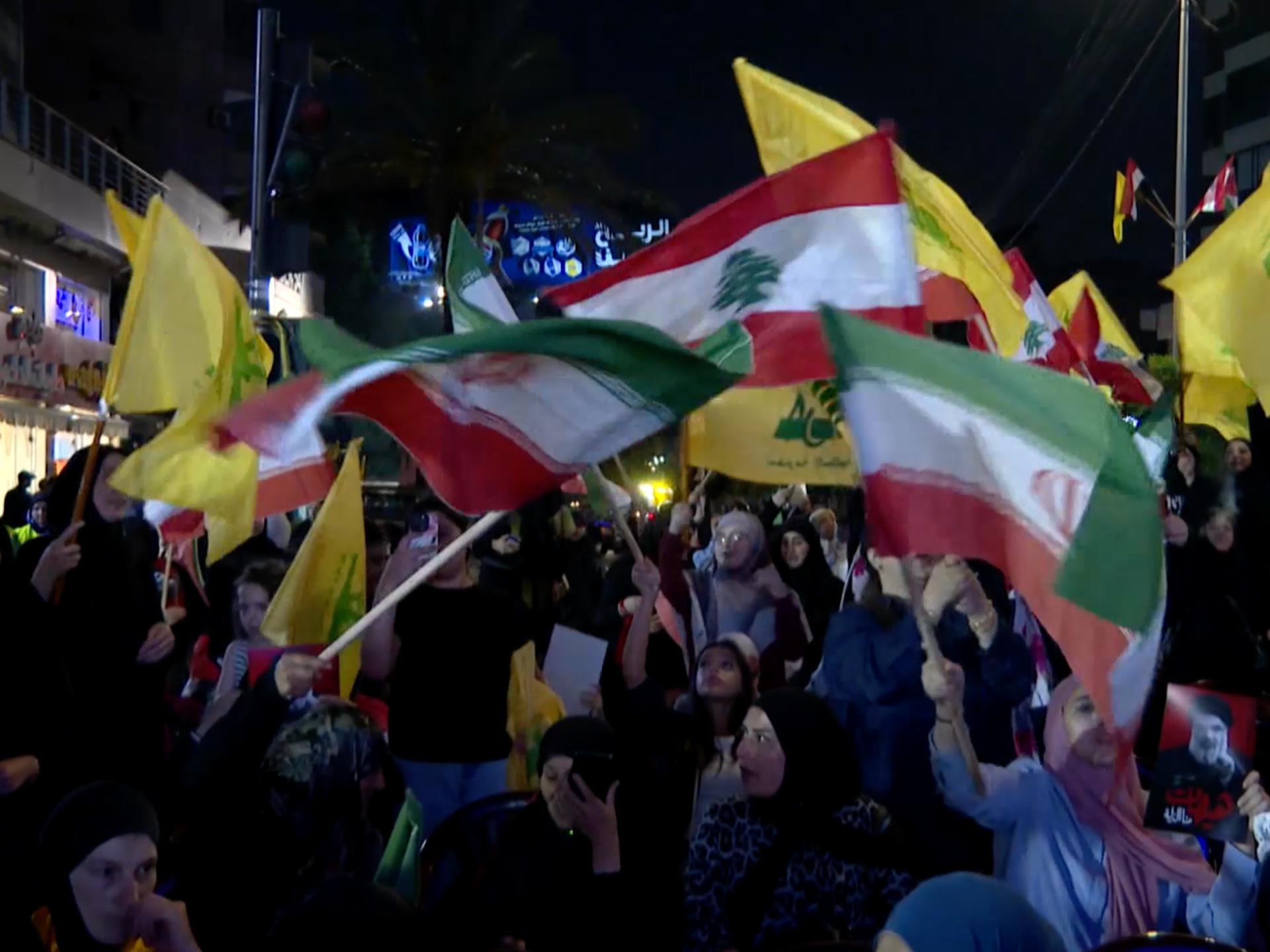
Israel has been expanding its military operations in southern Lebanon as it insists it must continue to fight the Iran-linked Hezbollah group.

Lebanon’s Ministry of Public Health reports that the death toll from Israeli attacks has risen to 3,526 people, with a further 10,733 wounded since March 2. More than one million people have been forced to flee their homes and remain displaced.

“Repeated displacements, insufficient shelter capacity and limited prospects for safe return are deepening vulnerability,” OCHA said in a statement.

It added that “affected people are rapidly exhausting their coping capacities, and essential services are under increasing strain”.

“In the past three months, communities across Lebanon have faced an appalling situation due to ‌the escalation of hostilities,” UN Resident and Humanitarian Coordinator Imran Riza said, adding that the “toll on civilians is alarming and worsening by the day.”

The UN said the economy was worsening the situation in Lebanon, as fuel and electricity prices have risen due to the effects of the US-Israeli war on Iran on global energy supplies.

The strain on the healthcare economy has forced the closure of 62 hospitals that have been damaged or closed, according to OCHA. Lebanese health authorities also reported that more than 100 paramedics have been killed in the conflict.

The education system is also being badly affected. Nearly 450 schools are being used to shelter people who have lost their homes, resulting in an increase in dropouts and learning loss.

Hezbollah has rejected the conditional ceasefire agreed by Lebanese and Israeli representatives in Washington on Thursday, instead demanding a full ceasefire and the full withdrawal of the Israeli army from the country.

📰 மூல செய்தி (Source): https://www.aljazeera.com/news/2026/6/5/un-boosts-lebanon-aid-appeal-as-israeli-war-drives-humanitarian-crisis?traffic_source=rss

உலகம்

US visa rejections, war on Iran keep fans away from World Cup

Published

on

High visa application fees, equally high rejection rates, an unwelcoming America, and the war combine to deter fans.

When Iran qualified for the FIFA World Cup last March, the men’s national team didn’t expect their participation to hinge on visas being granted by hosts, the United States, only at the last moment – if at all.

Nor did Iranian fans eager to support Team Melli expect to be banned from entry by the US. President Donald Trump signed an executive order last June halting visa issuance to a handful of countries, including Iran, which the US designated a “state sponsor of terrorism”.

Perhaps most unanticipated for Iranians was that the host nation of the largest sporting event in the world would launch a war on their country just months before the tournament began.

For Amir Ghalenoei’s side, the joint US-Israel war was more than a wrench thrown into World Cup preparation plans; it was tangible and personal, as thousands across the country were killed by missile attacks.

It was the US bombing Azadi Stadium, home to several local matches and where the national team trained. It was the men’s team holding tiny backpacks in remembrance of the students massacred in a US strike on a school in Minab the day the war began.

After months of politically charged rigmarole between the US and Iran – which led to them switching basecamps to Mexico instead – the men’s national football team will find themselves playing in the shadow of war. That too, if the US grants them visas in time.

For Iranian football fans, travelling to the US was “almost impossible” even without the visa challenges or the war. There are no direct means of transport between the countries, which do not have formal diplomatic relations.

“Aside from the visa issue, you have to take two- or three-way routes from Tehran to get to the US,” said Ali, a fan who did not want to share his full name for safety reasons.

“Returning from the US to Iran is a big challenge in itself, with the possibility of being arrested by the [Iranian] government,” he added. The war has increased scrutiny of antinational sentiment within Iran, resulting in executions of people arrested on accusations of spying for Israel or the US.

Political repercussions extend to the sport sphere, too. Iran’s top footballer Sardar Azmoun was expelled from the national team in March for a perceived act of disloyalty to the government, when he posted a picture on social media of a ⁠meeting with Dubai ruler Mohammed bin Rashid Al Maktoum. Relations between the UAE and Iran have been tense during the war, with Iran hitting the Emirates repeatedly and accusing it of allowing the US to use its territory for attacks on Iran.

The US war on Iran, now nearing its 100th day, has also deterred fans globally from attending the World Cup.

“Football is called the Beautiful Game for a reason, for its ability to unite people,” South African football fan Byron Pillay told Al Jazeera.

“But it’s hard to believe in that magic with the politics and war rhetoric off the field of play, specially when one of the tournament hosts is central to that.”

Compatriot Riaz Hamed echoed those reservations. “With the stance of America in particular, regarding the treatment of fans and immigrants in the country, I don’t believe it to be entirely safe to attend.”

Fears have been stoked by reports from organisations such as Human Rights Watch, which said an asylum seeker who attended the Club World Cup final last year in New Jersey with his children was arrested by the Immigration and Customs Enforcement (ICE) department and deported to his country of origin.

Khayran Noor, an international sports lawyer based in Kenya, emphasised that sport cannot be separated from wider geopolitical dimensions.

“If participation can be shaped by geopolitical realities outside the game itself, does that ultimately undermine the inclusive ideals these tournaments claim to represent?” Noor said in an interview with Al Jazeera.

“Football is global, but global mobility is not; the World Cup sits directly at the intersection of that contradiction.”

Mounting visa rejections have also spooked fans from attempting to attend the World Cup.

The US has launched a FIFA Priority Appointment Scheduling System (PASS), which expedites visa interviews for fans who have bought tickets through FIFA. But it does not guarantee a visa.

Last month, a group of nearly 150 Ghana football fans saw their visa applications rejected.

Godwin Nii Armah, 32, scrapped his travel plans for the World Cup for personal reasons, but knew he might have shared the same fate as those compatriots. He also admitted that travelling to Toronto, Boston and Philadelphia to support the Black Stars would have been a costly logistical headache in addition to international flights and visa fees.

Ghana nationals have to pay a $185 fee with their US visa application and 100 Canadian dollars ($71) for the Canadian visa. Add the two, and the amount is comparable to the monthly per capita income in Ghana.

Noor questioned whether future FIFA host agreements should include obligations relating to accessibility and mobility before hosting rights are awarded.

“If teams and fans from particular parts of the world face structural barriers before they can even attend, then the broader spirit of inclusion that these tournaments seek to embody risks being undermined.”

She acknowledged that while states understandably retain sovereign responsibilities regarding border control and national security, global sporting events often require exceptional frameworks.

Fans from 27 of the 48 nations headed to the World Cup need a US visa to apply, costing anywhere between $185 to $435 – amounts that represent wages that an average person in many countries in the Global South would earn over several months.

Canada is marginally more visa-friendly, while Mexico remains the most accessible World Cup host nation.

That was why South Africa chose to send a small supporters group to Pachuca, Mexico, where South Africa have set up basecamp and play two group stage matches.

Sahil Ebrahim is among the “lucky few” in that delegation. After decades of supporting Bafana Bafana from a TV screen in Cape Town, Ebrahim attended the Qatar 2022 World Cup.

Now the 40-year-old is on his way to his second World Cup, where he will witness the tournament opener live in Mexico City, when South Africa play the hosts on June 11.

Contrary to the South African football team, who faced a 24-hour delay in their departure over a visa bungle by the federation, Ebrahim said the Department of Sport did an “excellent job” expediting their visas with the Mexican embassy.

The process, however, paled in comparison with the 2022 World Cup in Qatar, where Hayya cards centrally aligned all visa, ticket and transport details for each fan, Ebrahim acknowledged.

While South Africa’s friendly against Jamaica on Friday, June 5, is closed to the public, Ebrahim and the supporters’ group will watch an exhibition game on Sunday where the Bafana legends of 2010 will take on their Mexican counterparts. South Africa had hosted the World Cup in 2010, a first for an African nation.

“Ultimately, major sporting events succeed not only because people watch them, but because people participate in them,” Noor said.

“The question is not who can watch the World Cup – the question is who can truly participate in it.”

📰 மூல செய்தி (Source): https://www.aljazeera.com/sports/2026/6/5/us-visa-rejections-war-on-iran-keep-fans-away-from-world-cup?traffic_source=rss

Continue Reading

உலகம்

Thousands protest in Albania over Kushner-linked resort project

Published

on

Thousands protest in Albania over Kushner-linked resort project

Thousands of people have been protesting in Albania’s capital against a $5 billion luxury resort project backed by the US president’s son-in-law Jared Kushner.

📰 மூல செய்தி (Source): https://www.aljazeera.com/video/newsfeed/2026/6/5/thousands-protest-in-albania-over-kushner-linked-resort-project?traffic_source=rss

Continue Reading

உலகம்

How the world failed a mother’s children, killed in Israeli strikes on Gaza

Published

on

How the world failed a mother’s children, killed in Israeli strikes on Gaza

Palestinian journalist and mother Aya Shamaa wrote about how an Israeli strike killed her children, newborn Ryan and seven-year-old Yaman. Like countless mothers in Gaza, she saw her children as gleams of hope amid a fragile ceasefire. Narrated by Al Jazeera’s Al Anoud Al Aqeedi.

📰 மூல செய்தி (Source): https://www.aljazeera.com/video/newsfeed/2026/6/5/how-the-world-failed-a-mothers-children-killed-in-israeli-strikes-on-gaza?traffic_source=rss

Continue Reading

Trending

Copyright © 2024 by 7Tamil Media, All rights reserved.