Connect with us

முக்கியச் செய்திகள்

Instant AI answers can trivialise human intelligence, warns Royal Observatory

Published

on

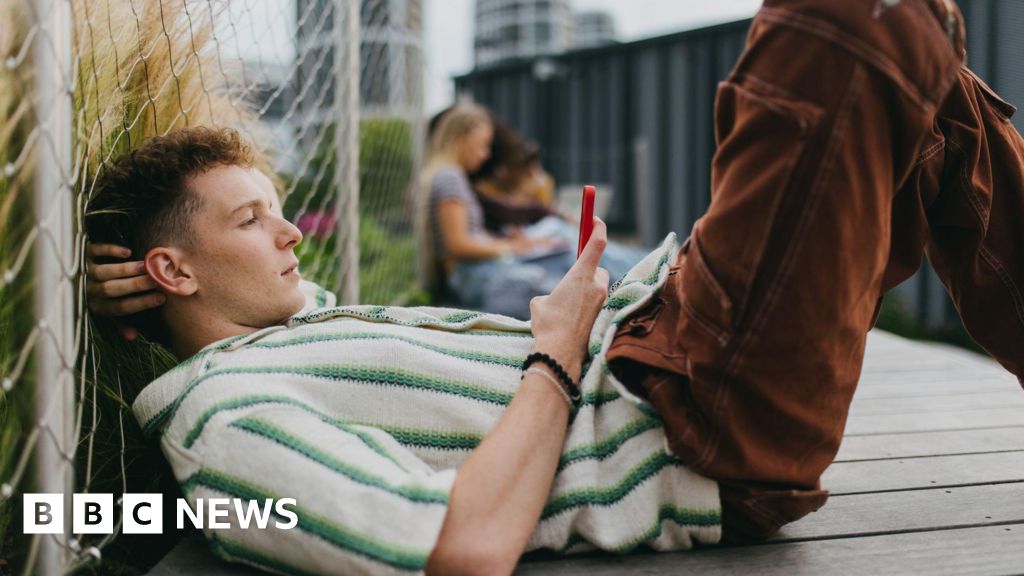
The rise of AI tools that instantly answer questions and complex problems could make humans less intelligent, the Royal Observatory Greenwich has warned.

The Observatory, one of the UK's oldest purpose-built scientific institutions, is known for its contributions to astronomy.

Paddy Rodgers, director of the Royal Museums Greenwich group which oversees it, said its rich history of research showed the power of human knowledge and curiosity – and the need to avoid "complete dependence" on AI.

"A reliance solely on instant answers risks losing the habits of questioning and evaluation that underpin knowledge, expertise and innovation," he said.

Rodgers' remarks come amid an ongoing transformation of the Royal Observatory in a project called First Light.

The project hopes to "seize on the passion of all the astronomers over the last 350 years, and interpret that passion through science," Rodgers told the BBC.

These discoveries, he said, would not have been possible without technological innovation.

But he added they also would not have occurred without asking and pursuing answers to questions ourselves, and encountering unexpected information or results that AI systems might not relay.

According to Rodgers, early astronomers "built a huge amount of data about the heavens which would subsequently be used for things that they had never thought about," he said.

Their work involved doing unnecessary things "a machine would not do", he told the BBC.

"The human beings did, and it ended up being a huge resource that could be used 150 years after they had written it up to help to verify ideas that people were having about what else impacted navigation on Earth."

At the same time, AI has been used to aid scientific discoveries.

In 2024, computer scientist Sir Demis Hassabis shared the Nobel prize for Chemistry for "revolutionary" work on proteins, the building blocks of life.

Sir Demis, chief executive of Google's AI company DeepMind, used AI to predict the structures of almost all known proteins and created a tool called AlphaFold2.

LinkedIn co-founder and venture capitalist Reid Hoffman described AI as a "transformation" of "cognitive excellence".

"Use it as a counter-agent," he recently told the BBC's Radical podcast.

"E.g. 'What's wrong with my idea?' One of the basic things to use AI [for] is 'I think X, are you against it?'"

Academics and students have also shared experiences of research benefits, including using the tech to challenge ideas or work through solutions collaboratively.

A lecturer at Oxford Brookes University told the BBC last June that "when used responsibly, AI tools enable students to direct their attention to the more important parts of learning and improve their self-development."

But they added that to simply "outsource their thinking" to the tech would highlight its limits.

Generative AI products that can respond to increasingly complex prompts with text, images, video or audio continue to be developed at pace.

Chatbots have evolved from simple assistants into chatty companions, image generators have become dangerously good at making photorealistic content and new advanced models are said to be surfacing decades-old software bugs.

Such advances, praised and scrutinised in equal measure, are still also accompanied by warnings to users of the tech's limitations and dangers of relying on it.

Rodgers said with previous online tools such as Wikipedia, "if you were interested in something you could perhaps go back to a fundamental source and check it… and see whether or not you found something that was reliable".

Such information can be omitted in quick AI responses, he added, meaning "you're getting more and more distanced from relatable or checkable information".

Nevertheless, generative AI tools that present us with information we do not have to find ourselves are on the rise.

AI Overviews have now replaced snippets or lists of links at the top of Google search results, with similar experiments appearing on social platforms like TikTok and X.

Sign up for our Tech Decoded newsletter to follow the world's top tech stories and trends. Outside the UK? Sign up here.

📰 மூல செய்தி (Source): https://www.bbc.com/news/articles/c2023l60370o?at_medium=RSS&at_campaign=rss

முக்கியச் செய்திகள்

Elon Musk just lost another lawsuit. Will he keep fighting?

Published

on

Elon Musk, the world's richest man, has not been winning in court lately.

His loss on Monday in his lawsuit against OpenAI and its co-founder Sam Altman is the latest in a string of legal defeats or settlements.

Late last year he agreed to settle with former Twitter executives and thousands of former employees of the social platform, which he has renamed X, after fighting for years to pay them nothing.

Then in March, he lost a case brought against him by investors of Twitter, who claimed they were misled by public statements he made during the takeover.

That same month, a judge threw out his lawsuit against advertisers that decided to leave the platform.

In May, another judge reversed certain actions by DOGE, the government cost-cutting department Musk helped create and led last year, finding cuts to some grants were "a textbook example of unconstitutional viewpoint discrimination."

Now that he's also lost his high-profile lawsuit against OpenAI, is it possible that Musk will be less prone to picking fights?

"No one is invincible," said Shubha Ghosh, a lawyer and law professor at Syracuse University.

But it may take more significant losses for Musk to back off, or change his aggressive style, in the courts.

"In a lot of ways, he is just another businessperson asserting his rights," Ghosh said. "I don't think he's abusing the legal system. Whether he uses it effectively, I'm not sure."

In addition to a tendency towards the unconventional, Musk also has the deepest pockets on earth. He is poised to soon be the world's first trillionaire given his stake in SpaceX, another of his companies that is expected to be publicly listed in the near future.

The sheer size of Musk's wealth makes it seem unlikely that even a string of losses, related costs or fines would put him off fighting or filing future lawsuits.

"I don't see him stopping," said Dorothy Lund, a lawyer and law professor at Columbia Law School. "It seems like there is no one who has been able to put real consequences on him or his actions."

A recent fine of $1.5m (£1.1m) from the US Securities and Exchange Commission (SEC) over his failure to disclose his initial accumulation of Twitter stock, for instance, is insignificant for someone like Musk.

When his multi-billion-dollar pay package for Tesla was invalidated by a judge in December 2024, Musk simply reincorporated the entire company in Texas and got a potentially even bigger pay package approved by shareholders.

"He does what he wants and sometimes gets a slap on the wrist, so why would he change?" Lund said.

On Monday, Musk criticised the decision against him in the OpenAI case, writing on X that it created "a free license to loot charities if you can keep the looting quiet for a few years!"

He also insulted the judge overseeing the case as a "terrible activist".

Musk has a "larger than life personality", Ghosh added, which makes him different from many business leaders.

He seemed to decide that the right time to get SpaceX onto the public stock market was during his high-profile trial against Altman, a mentee-turned-rival-turned-public enemy. That alone sets him apart from most people in business.

When executives have a company that is about to go public, they typically enter into what's known as a "quiet period".

It is a period of time, mandated by the SEC, during which leaders of a business actively preparing to list on a public stock exchange are not supposed to make certain statements. Many chief executives say as little as possible during a quiet period, as even general statements on a company's growth are usually prohibited.

Lund noted that there are not many people who compare to Musk in terms of his ability, and apparent desire, to keep fighting in court and in public after so many dings.

"He is not afraid of public opinion, he's not afraid of taking big swings," Lund said. She noted that kind of disregard for risk is "valuable in entrepreneurs", But the courtroom is not a boardroom.

Lund noted that even notoriously aggressive corporate figures like Carl Icahn, the famed "corporate raider" who inspired the greed-driven character of Gordon Gecko in the film Wall Street, did not seem to have the brazenness of Musk.

"If and when this will blow up for him, I don't know," Lund said.

The only analogous public figure for her is President Donald Trump, who is notorious for making seemingly off-the-cuff remarks in public and taking legal action against perceived foes.

"Musk is a singular individual," Lund said, "but negative things never seem to stick to either of them."

📰 மூல செய்தி (Source): https://www.bbc.com/news/articles/cqlpz4w6v13o?at_medium=RSS&at_campaign=rss
Continue Reading

முக்கியச் செய்திகள்

Farage facing new questions over home purchase funding

Published

on

Nigel Farage is facing questions over Reform UK's claim that he used a fee from appearing on a TV show to buy a £1.4m home.

Last week the party told the BBC the Reform UK leader bought the house in Surrey in 2024 without a mortgage by using his fee from appearing on I'm A Celebrity.

In 2025, Farage told the FT that fee had been paid to his company Thorn In The Side Limited.

However, the company accounts appear to suggest the income he received remained in his account after the house purchase.

The party has denied Farage used any of the £5m gift he received in April 2024 from crypto-billionaire Christopher Harborne in the house purchase 36 days later.

Land registry documents seen by the BBC show the money for the house was paid in cash on 10 May 2024, without the use of a mortgage.

A spokesperson for Farage said: "Anti money laundering money checks [for the property purchase] were in March [2024], before he received the gift.

"Nigel has multiple sources of income, as you can see from his parliamentary register."

Farage appeared on the ITV reality series in late 2023, where he finished third and was reportedly paid a seven-figure appearance fee.

Labour chair Anna Turley said: "Nigel Farage needs to stop dodging scrutiny over his undeclared £5m 'gift' and put the evidence on the table to prove what he's saying is true.

"It's clear he's taking the public for fools and thinks he can just brush this scandal under the carpet. He can't."

Conservative shadow minister Alex Burghart said: "This extraordinary sum of money is more than most people will see in a lifetime.

"His excuses for taking it keep changing – if the property wasn't paid for with proceeds from his reality TV career, as he claimed, the public will rightly ask where the money came from."

Company accounts for Thorn In The Side Limited show a jump in cash of around £1.4m for the year ending May 2024.

At the end of May 2025, 12 months after Farage completed the purchase of the property in Surrey, the cash balance on the company accounts had increased and the accounts do not show any dividends paid.

Harborne, a Thailand-based British businessman, gave £5m to Farage on 5 April 2024, two months before he announced he would stand in that year's general election.

In April, Harborne told The Telegraph , he "wasn't expecting anything in return apart from ensuring his safety" when referring to the gift.

Harborne also said he gave the money to Farage "because of my great admiration for the decades of work he had done to achieve Brexit".

Parliamentary rules state that new MPs must declare any donations received in the 12 months before they were elected.

The payment did not appear on Farage's declaration of interests and only became public knowledge after being reported by the Guardian newspaper last month.

Reform UK has consistently said it does not believe the payment needed to be declared because it was a "personal, unconditional gift".

Harborne has gone on to become Reform's biggest donor and gave the party £12m in 2025.

Farage has said that Harborne gave him the money to pay for his lifetime security.

The Parliamentary Standards Commissioner has launched an inquiry into whether Farage broke Commons rules by not declaring the £5m payment from Harborne .

On Thursday, Farage told The Sun newspaper that the payment was "given as a reward for campaigning for Brexit" and that he was "not in the least bit worried" about the inquiry.

Sign up for our Politics Essential newsletter to read top political analysis, gain insight from across the UK and stay up to speed with the big moments. It'll be delivered straight to your inbox every weekday.

📰 மூல செய்தி (Source): https://www.bbc.com/news/articles/c936nqy00rwo?at_medium=RSS&at_campaign=rss

Continue Reading

முக்கியச் செய்திகள்

New High Street crime unit to target gangs fronting shops after BBC investigation

Published

on

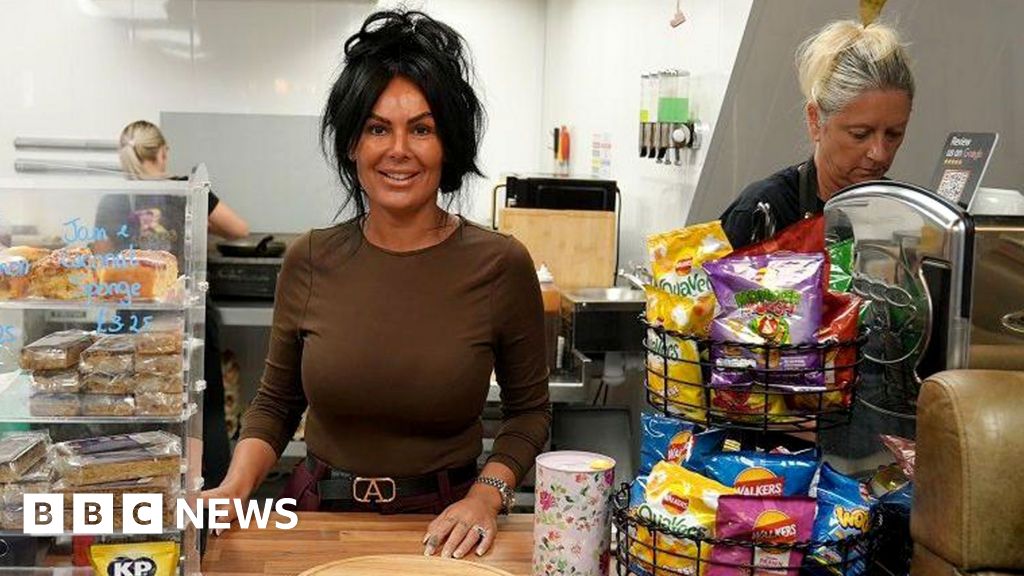
A new £30m High Street organised crime unit has been announced by the government after the BBC's year-long investigative reporting into illegal mini-marts, vape shops and barbers.

Over 12 months BBC News exposed drug gangs, child sexual exploitation reports, money laundering, immigration crime, and ghost directors linked to shop fronts selling illegal cigarettes and illegal vapes.

The law enforcement response will be run across the UK by the National Crime Agency (NCA) over the next three years – with a cash boost for trading standards.

The Chartered Trading Standards Institute (CTSI) suggested cuts to its members' resources under previous governments had helped allow serious and organised crime to gain foothold in High Streets.

The government has also pledged to carry out a review on how to strengthen law enforcement powers – as well as consulting on extending the length of closure orders to shut criminal businesses down for longer, an area the CTSI said needed to be changed.

The NCA estimates that at least £1bn of criminal cash is laundered through High Street stores the UK each year through businesses connected to the sale of fake goods, tax evasion, illegal working, and illegal drug supply.

Home Secretary Shabana Mahmood said: "We are hitting back with a nationwide crackdown to shut these fronts down, seize dirty cash and drive organised crime off our high streets and put bosses behind bars."

Proposals for the High Street organised crime unit – which will be overseen by Security Minister Dan Jarvis – were originally outlined in the 2025 Autumn Budget but the government has now released more details.

Over the course of 12 months, BBC News has gone undercover to expose the shocking reality of organised crime taking over our High Streets leading to an "urgent" Home Office investigation, multiple arrests across the country and pledges to change the law.

In April 2025 the BBC joined the NCA as it raided barbers, mini-marts and vape shops in response to growing intelligence reports that some of these shops are being used for money laundering and illegal working.

In May and June last year the team found secret underground tunnels supplying sacks of illegal cigarettes to High Street mini-marts in Hull, with authorities warning us that there is a "war" against organised crime that they can't win, with the profits from counterfeit tobacco now rivalling "heroin and cocaine" in a black market worth up to £6bn a year.

The then Immigration Minister, Seema Malhotra, described what the BBC had found as a "national scandal" and the then-Home Secretary Yvette Cooper later said it was a "disgrace".

In July, mass Freedom of Information requests revealed for the first time that 3,700 illegal shops had operated across the UK.

In November last year, we exposed asylum seekers buying and selling High Street mini marts for cash, criminal kingpins erasing £60,000 illegal working fines, and exposed a Kurdish organised crime gang operating on High Streets the length of Britain.

In response to our investigations, Mahmood launched an "urgent" investigation led by the National Crime Agency (NCA), Immigration Enforcement, HMRC and police forces from across the country. She said the BBC's evidence proved that "the system was broken" and demonstrated a pull factor in the small boat crisis.

This year, in March a senior council worker repeatedly shared with West Midlands authorities reports of children as young as 11 being sexually abused in High Street mini-marts and last month undercover reports exposed how cocaine, cannabis, laughing gas and prescription pills were being offered for sale. One street we visited in the West Midlands was described as "lawless" by an anonymous law enforcement source.

In response, Prime Minister Sir Keir Starmer said the government was "absolutely focused" on tackling such criminality, pledging stronger powers and more police officers to do so.

The NCA said 950 people have been arrested and more than £10m worth of goods seized over the past 18 months and the new unit would help it target and disrupt more "high harm offenders".

Sal Melki, deputy director of illicit finance at the NCA, said: "This criminal activity makes our communities less safe and less prosperous.

"It undermines legitimate business, deprives public services of tax revenues, and fuels a range of predicate offences such as the drugs trade, illicit goods, trafficking, and organised immigration crime."

Lord Bichard, chairman of National Trading Standards, said the unit would "help drive a coordinated national response while strengthening local enforcement capability".

John Herriman, chief executive of the CTSI, told the BBC that cuts of about 50% had been made to trading standards resources between 2011 and 2023.

He said there was a "sense" that the situation on High Streets "has been getting worse and worse for a number a years," adding: "That is pretty demoralising."

"This funding is the start of that fight-back process," he said.

Currently courts can order shops to be closed for three months. Herriman said the CTSI wants new powers to be brought in to raise the limit to 12 months, with a complete ban possible for the worst offenders.

Responding to the government plans, the Conservatives said Labour had "done more damage to our High Streets than 75 officers can fix".

Chris Philp MP, Shadow Home Secretary, said there were fewer police officers as well as "anti-business legislation" under the government.

"Crime and antisocial behaviour are at unacceptably high levels, every day, too many people witness things that anger and alarm them," he said, adding a Tory government would aim to put extra police officers on the streets.

Get our flagship newsletter with all the headlines you need to start the day. Sign up here.

📰 மூல செய்தி (Source): https://www.bbc.com/news/articles/ce3pzwx449no?at_medium=RSS&at_campaign=rss

Continue Reading

Trending

Copyright © 2024 by 7Tamil Media, All rights reserved.